
The Allure of Gambling: Understanding the Appeal
The thrill of gambling draws many individuals into the vibrant world of casinos, tapping into fundamental aspects of human psychology. This allure is intricately tied to our innate desire for risk and the potential for reward. Casinos are designed to amplify these feelings through sensory stimulation—bright lights, engaging sounds, and the palpable excitement of winning. For some, the experience of playing can be enhanced by the availability of options such as instant withdrawal casino , which adds to the overall allure. Gamblers often describe heightened arousal and anticipation, leading to a cycle of behavior that can become addictive. Moreover, this environment serves as an escape from everyday stressors, offering a temporary sanctuary where the prospect of significant financial gain tantalizes players.
Several emotional triggers fuel the psychology of gambling, prominently featuring hope and optimism. Many gamblers believe they can outsmart the odds through skill, intuition, or sheer luck. This belief is particularly strong in games like poker or blackjack, where the player’s choices can impact outcomes. However, this mindset can lead to a “gambler’s fallacy,” where individuals incorrectly assume that past outcomes can influence future probabilities. The pursuit of a significant win often drives gamblers to engage more frequently and wager larger amounts, further entrenching them in the casino experience.
This magnetic appeal of gambling is further enhanced by the social dynamics involved. Many individuals relish the communal atmosphere of casinos, where the presence of fellow players heightens excitement and anticipation. This shared experience transforms gambling into a social event that is more enjoyable than solitary play. Furthermore, casinos leverage sophisticated marketing strategies to attract and retain players, offering complimentary drinks, entertainment, and exclusive VIP services that enrich the overall experience. Such social engagement solidifies gambling behaviors, embedding individuals deeply within the culture of gaming.
The Role of Emotion in Gambling Behavior
Emotions are pivotal in shaping gamblers’ behaviors and decisions. For instance, winning can trigger a rush of dopamine, resulting in feelings of euphoria that compel players to continue gambling. Conversely, losses can elicit frustration and disappointment, prompting some individuals to chase their losses by betting even more. This emotional rollercoaster creates a cycle that is difficult to escape, as individuals continuously seek to replicate the highs while trying to mitigate the lows. Understanding this emotional landscape is crucial in addressing gambling addiction and its consequences.
Moreover, many individuals turn to gambling as a coping mechanism for negative emotions, including anxiety or depression. The temporary distraction that gaming provides can offer a sense of relief, leading to frequent visits to casinos as a means to escape personal issues. However, this form of escapism can evolve into dependency, where gambling takes precedence over resolving underlying emotional challenges. Thus, gambling can serve as a psychological veil, obscuring the damaging impacts it may have on mental health.
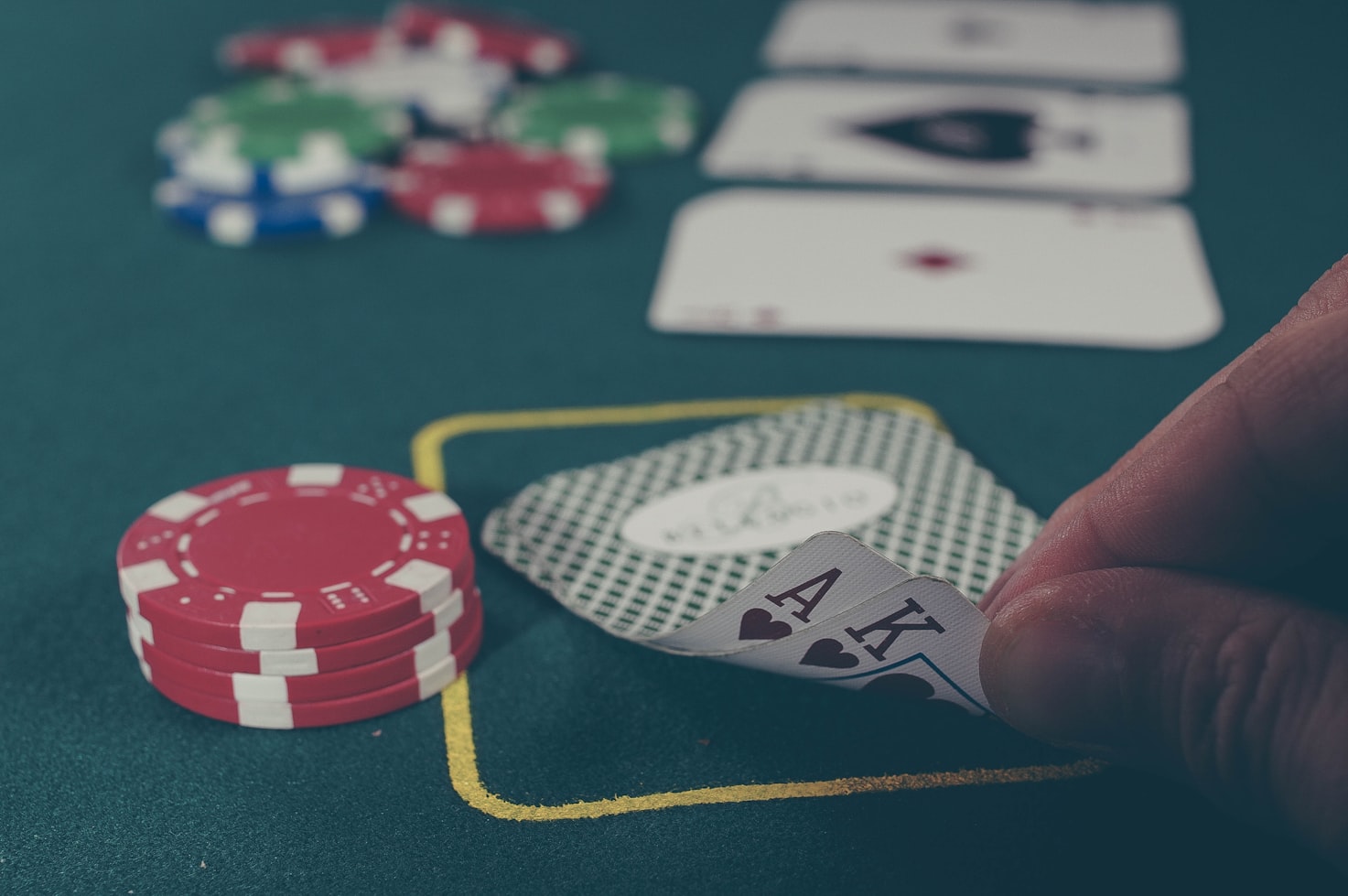
Recognizing the emotional triggers associated with gambling can inform the development of effective interventions. By understanding the emotional peaks and valleys that gamblers navigate, casinos and responsible gaming organizations can implement programs promoting healthy gambling habits. This might include emotional support services and educational initiatives about responsible gaming practices, aiming to mitigate the potential negative consequences of uncontrolled gambling behavior.
Risk Perception and Decision-Making in Gambling
Risk perception is a critical factor influencing how gamblers make decisions. Cognitive biases often lead individuals to misjudge the risks associated with gambling activities. A notable example is the “near miss” phenomenon, where gamblers come close to winning but ultimately lose. This experience can create a false sense of hope, prompting individuals to continue gambling under the belief that they are on the brink of a significant win. Understanding this bias can shed light on why some gamblers persist, even when confronted with substantial losses.
In addition, many gamblers utilize mental heuristics—rules of thumb that simplify their decision-making processes. For instance, some players believe they can identify “hot” or “cold” machines based on previous outcomes, despite the lack of statistical evidence supporting this reasoning. While these cognitive shortcuts can help streamline choices, they can also foster irrational decision-making that leads to increased gambling frequency and larger stakes. This disconnect between actual odds and perceived probabilities can contribute to problematic gambling behavior.
Casinos are keenly aware of these cognitive biases and often design their environments to capitalize on them. By understanding how gamblers think and make decisions, casinos enhance player engagement and prolong time spent on the gaming floor. Techniques such as variable reinforcement schedules are employed to encourage ongoing play, leveraging the psychological tendencies of gamblers. Thus, analyzing risk perception and decision-making processes is vital for both improving the gaming experience and promoting responsible gambling initiatives.
The Impact of Casino Design on Gambling Behavior
The meticulous design of casinos is aimed at maximizing player engagement and attracting customers. Every aspect, from layout to lighting and sounds, is carefully curated to foster an inviting atmosphere that encourages gambling. The placement of games is strategic; popular games are often located in high-traffic areas to optimize visibility and attract more players. This thoughtful design caters to the psychological triggers that draw people into the gambling experience, reinforcing excitement and the urge to play.

Additionally, the principle of loss aversion, a concept in behavioral economics, significantly influences casino design. Many slots and games are engineered to create a sense of winning through frequent small payouts rather than large losses, resulting in “losses disguised as wins.” This clever manipulation elicits positive emotions, increasing the likelihood that players will stay and play longer, even in the face of continued financial losses. Consequently, the architecture and ambiance of casinos effectively harness these psychological principles to enhance player retention.
The immersive environment within casinos often capitalizes on sensory overload, creating an atmosphere that can cloud judgment and lead to prolonged gambling sessions. The sounds of clinking coins, cheering crowds, and celebratory music amplify the excitement, making it challenging for players to leave. As a result, the continuous reinforcement of positive emotions entrenches gambling behaviors. Therefore, the elements of casino design play a substantial role in shaping gambling habits and influencing the overall psychology of gamblers.
Conclusion: Understanding Our Relationship with Gambling
Upon exploring the psychology of gamblers in casinos, it becomes clear that various factors influence behaviors—from emotional triggers and cognitive biases to casino design. Understanding these psychological aspects can foster healthier relationships with gambling. It is essential for players to recognize their motivations, emotional states, and the mechanisms at play within casinos to make informed decisions regarding their gambling behavior.
The insights gained from studying the psychology of gambling also serve a crucial purpose in developing educational and support initiatives for responsible gaming. By promoting awareness and understanding, stakeholders can mitigate the risks associated with gambling while maximizing the entertainment value without succumbing to harmful patterns. Both casinos and players share a responsibility in creating a balanced environment that prioritizes enjoyment alongside responsibility.
Ultimately, the intricate relationship between psychology and gambling highlights the need for greater awareness and education within the industry. As society continues to engage with gaming, understanding the psychological underpinnings will be vital for fostering a vibrant gaming culture that also supports mental well-being and responsible participation.